
Beyond the Clouds: Meeting Jade Dragon Snow Mountain and the Spirit of the Naxi
- sherry205500
- Jan 2
- 1 min read

A Journey Begins
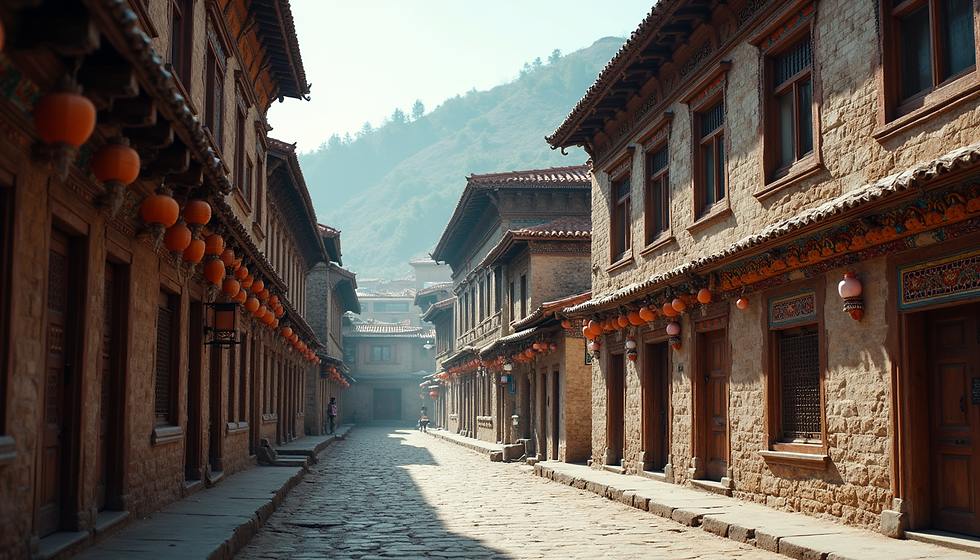
The morning in Lijiang feels like a slow breath. The cobblestone streets of
the Old Town are still quiet, but my heart races with anticipation. Today, I
am heading toward Jade Dragon Snow Mountain name that sounds like a
legend, and in many ways, it truly is.

Ascending to the Sky
The cable car glides upward, slicing through the crisp mountain air. The
higher we climb, the thinner the oxygen, and the more surreal the world
becomes. The sky stretches like a vast canvas, and the snow peaks gleam
like polished jade. Clouds drift lazily across the ridges, brushing the
shoulders of the mountain as if in reverence.

The Mountain’s Silent Majesty
At 4,506 meters, the viewing platform feels like the edge of heaven. The
wind roars like a distant drumbeat, and the mountain stands in solemn
silence. Yet, in that silence, there is a story—a story the Naxi people have
carried for centuries.

The Legend of Sanduo
To the Naxi, Jade Dragon Snow Mountain is not just a peak; it is Olu, the
“Heavenly Mountain,” and the embodiment of Sanduo, their guardian deity.
According to legend, Sanduo was a brave warrior who fought to protect the
Naxi people. When he fell in battle, his spirit transformed into the thirteen
snow-capped peaks of Jade Dragon, forming the body of a celestial dragon
that watches over the land.
Every gust of wind, every swirl of cloud feels like a whisper from Sanduo—a
reminder that this is sacred ground.

Echoes of the East
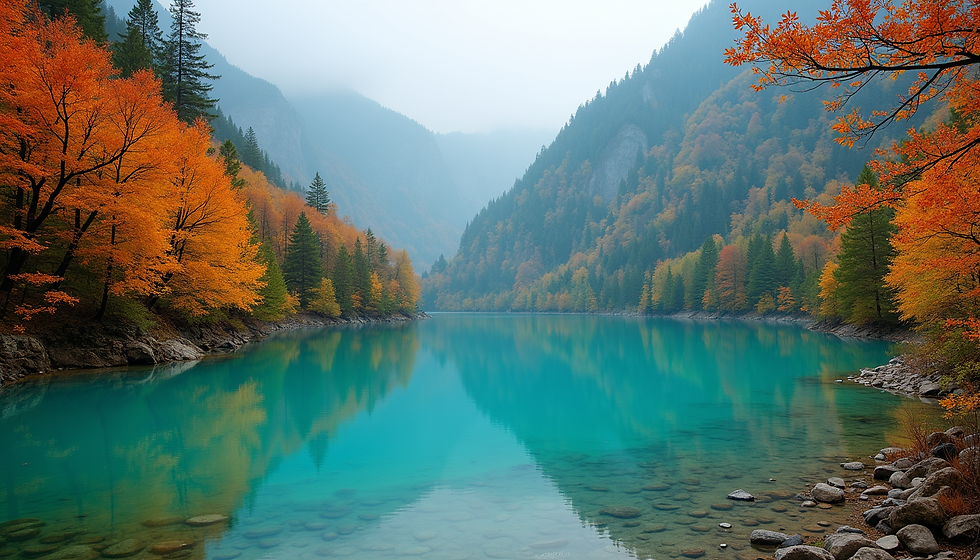
On the way down, I stopped at Blue Moon Valley. The lake shimmers in an
unreal shade of turquoise, and nearby, villagers in traditional Naxi attire
perform ancient dances. Their silver ornaments catch the sunlight, ringing
softly as they move. The music is raw and haunting, sung in a language older
than the mountains themselves.
Later, in a quiet village, an elder unrolls a Dongba manuscript by the fire.
The pictographs tell stories of gods, rivers, and snow peaks—a dialogue
between humans and nature that has lasted for centuries.

Travel Tips
•Best Photo Spots: The 4,506-meter viewing platform and Blue Moon
Valley.
•Cultural Experience: Visit a Naxi village to see Dongba art and hear
local legends.
•Respect Traditions: Always ask before photographing rituals or
manuscripts.
•Festival Highlight: If possible, time your trip for the Sanduo Festival
(around February), when locals celebrate their mountain deity with fire
dances and prayers.

Comments